What Is Stock Footage? A Practical Guide to Using Stock Video
Stock footage is pre-shot video that you can license and use in your own projects instead of filming it yourself. You pay once (or download free clips) and get the right to use the footage in ads, films, YouTube videos, presentations and social media. It saves time, cuts shooting costs and gives you shots, like drone views or wildlife, that are hard to film on your own.
Table of Contents
• What are some ways to use stock video?
• Why is stock footage so expensive?
• What should I look for in stock footage?
• Where can I get free stock videos?
• Frequently Asked Questions
Every editor hits the same wall sooner or later. The script needs a sunrise over the Himalayas, a busy Mumbai street or a tiger walking through tall grass, and there's no time or budget to shoot it.
That's where stock footage comes in. I run Indian Stock Video, a library of 10,000+ clips shot across India, and I talk to filmmakers, agencies and YouTubers every week. The same questions keep coming up: What exactly am I buying? Can I use it in an ad? Why does one clip cost more than another? This guide answers all of them in plain language.
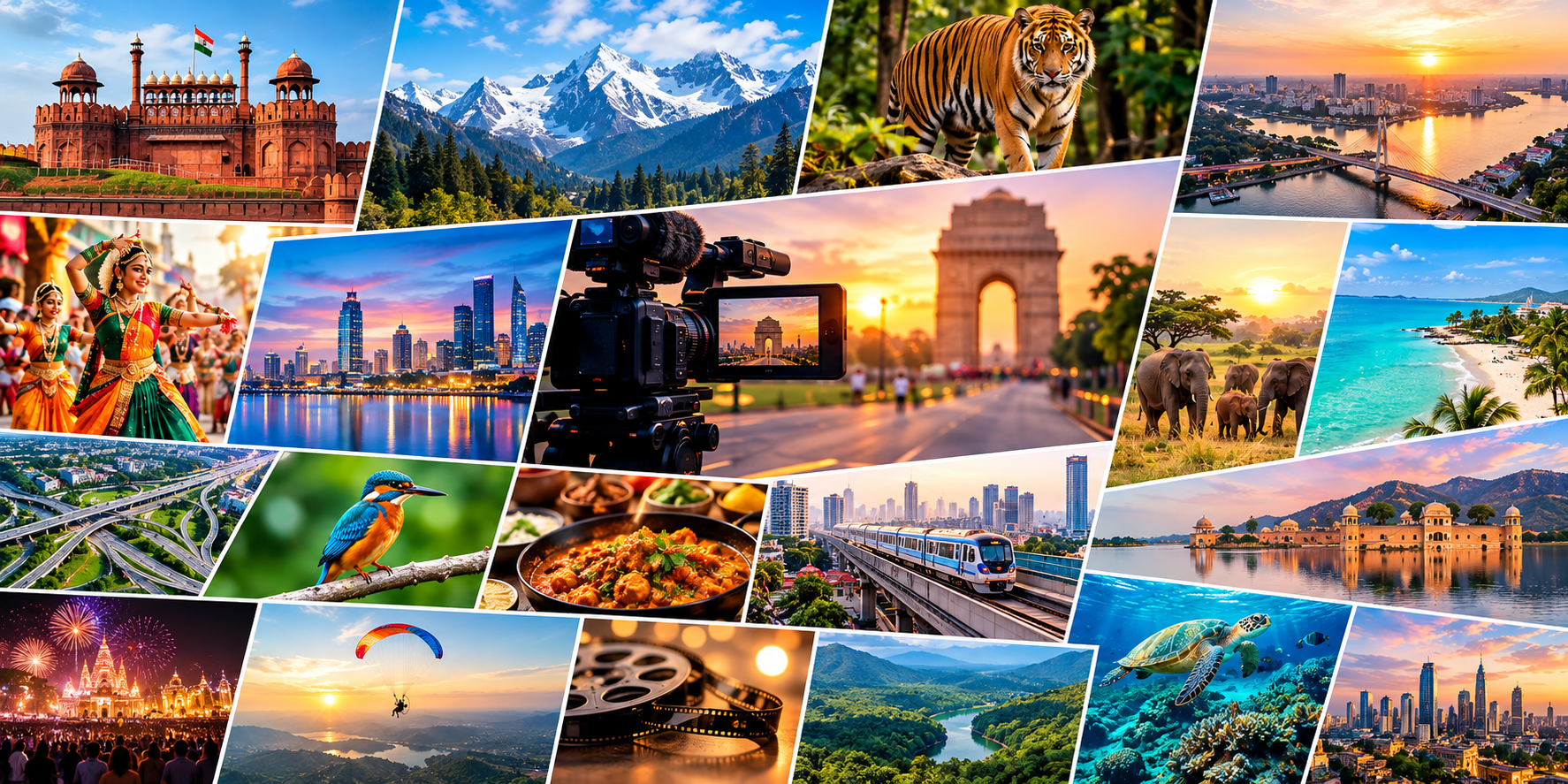
What Is Stock Footage?
Stock footage is video that has already been shot and is made available for others to use under a licence. Filmmakers, drone pilots and videographers film clips, upload them to a stock platform, and buyers license those clips for their own work.
You don't own the clip when you buy it. You own the right to use it, within the terms of the licence. That's an important difference, and we'll come back to it.
Royalty-free vs rights-managed
Most stock footage today is royalty-free. You pay once and can use the clip many times without paying per view or per broadcast. The older rights-managed model charges based on how, where and for how long you use a clip. It's now mostly used for rare or high-profile footage.
Commercial vs editorial
Commercial clips can be used to promote a product, brand or service. They usually need model and property releases for recognizable people and places. Editorial clips are meant for news, documentaries and educational content, and can't be used to sell something. On ISV, you can filter every collection by licence type, so you know what you're getting before you buy.
What Are Some Ways to Use Stock Video?
Stock video is more flexible than most people think. Here's how our buyers use it:
• Advertising: Agencies use stock clips to build TV and digital ads fast, especially when a brand needs local scenes like a family meal, a busy market or a festival.
• Documentaries and films: Establishing shots, aerial views and wildlife footage help set the scene without sending a crew across the country.
• YouTube and social media: Creators use B-roll to cover voiceovers, fill gaps and keep viewers watching. Faceless channels rely on it almost entirely.
• Corporate videos: Company profiles, training videos and pitch decks look more polished with a few well-chosen clips.
• Websites and apps: A short looping video in a website header grabs attention better than a still image.
• News and education: Editorial clips help explain a place, event or topic when original footage isn't available.
One practical tip: use stock footage for the "where" and "what" of your story, and shoot the "who" yourself. A drone shot of Varanasi from our library can set the scene, while your own interview carries the emotion. And if you need nature footage, our wildlife stock footage collection covers tigers, elephants, rhinos and birds from India's national parks.
Why Is Stock Footage So Expensive?
When you see a single clip priced in the thousands of rupees, it can feel steep. But compare it with what it would cost to shoot the same thing.
Think about a 4K drone shot of the Kerala backwaters at sunrise. To get it yourself, you'd need a licensed drone pilot, travel and stay, permissions, gear, the right weather and often several attempts. That easily runs into tens of thousands of rupees for a few seconds of usable footage.
Here's what goes into the price of a good stock clip:
• Production cost: Travel, equipment, drone permits and the shooter's time.
• Releases and legal checks: Model and property releases protect you when you use the clip commercially.
• Resolution: 4K files cost more than HD because they take more effort to shoot and store, and give you more room to crop and grade.
• The licence: You're paying for the legal right to use the clip in your work.
• Contributor earnings: A share of every sale goes back to the person who shot it.
At ISV, prices depend on resolution, so you only pay for the quality you need. An SD clip for a social post costs much less than a 4K file for a TV ad. You can compare options on our pricing page, and new buyers get 50% off their first purchase with code ISV50.
What Should I Look For in Stock Footage?
Not all stock footage is equal. After reviewing thousands of contributor uploads, these are the things I check first:
1. Authenticity
Does the clip look real to your audience? Indian viewers spot a fake "Diwali" or a "Delhi street" shot elsewhere in seconds. For Indian stories, footage shot by people who live there makes a clear difference.
2. Technical quality
Look for steady shots, sharp focus, good exposure and clean colour. Preview at full screen before buying. A shaky or noisy clip will stand out in a professional edit.
3. Resolution and format
Buy for your final output. HD is fine for social media, but 4K gives you room to crop, stabilise and future-proof your work.
4. The right licence
Check whether the clip is commercial or editorial, and read what the licence allows. Our licence agreement spells out exactly how you can use each clip.
5. How overused it is
Popular free clips appear in thousands of videos. If you're building a brand, pick footage your audience hasn't seen ten times already.
Can't find the exact shot? Post it on our video request board and contributors across India can film it for you.
Where Can I Get Free Stock Videos?
Free stock video is a great starting point, especially for personal projects, students and new creators. Global sites like Pexels and Pixabay offer thousands of free clips under their own licences.
If you need Indian scenes, we also have a free videos section on ISV. It's a simple way to test our quality before you buy. Please read our free content usage policy so you know how free clips can be used.
A few things to keep in mind with free footage:
• Free licences often have limits, especially around recognisable people, brands and endorsements.
• Quality varies, and coverage of specific Indian places, festivals and culture is usually thin.
• Free clips are widely used, so they can make your work look generic.
• You don't get an invoice, which some clients and finance teams need.
My advice: use free clips for low-stakes work, and invest in licensed footage for anything a client or brand is paying for.
Final Thoughts
Stock footage is one of the easiest ways to make your videos look bigger and more polished without a big shoot. Understand the licence, buy the resolution you need and choose footage that feels real to your audience.
If your story is set in India, start with Indian Stock Video. And if you shoot India yourself, you can become a contributor and earn from your footage. For more guides, visit our blog.
Frequently Asked Questions
1. What is stock footage used for?
Stock footage is used in ads, films, documentaries, YouTube videos, corporate videos, websites and news. It fills gaps in a story without the cost of a new shoot.
2. Is stock footage royalty-free?
Most stock footage today is royalty-free, which means you pay once and use it without paying per view. Always check the licence for any limits.
3. Can I use stock footage on YouTube?
Yes. Licensed stock footage can be used in YouTube videos, including monetized channels, as long as you follow the license terms.
4. What is the difference between commercial and editorial stock footage?
Commercial footage can be used to promote products and brands. Editorial footage is only for news, documentaries and educational content.
5. Do I own the stock footage I buy?
No. You buy a licence to use the clip. The copyright stays with the creator or platform.
6. Where can I buy authentic Indian stock footage?
Indian Stock Video offers 10,000+ royalty-free clips shot across India, priced in INR with GST invoices. You can also request a specific shot.
About the author: Gaurav Raj is the founder of Indian Stock Video, a royalty-free stock footage platform built around authentic Indian content. She works with filmmakers, agencies and a network of 500+ contributors across India, and reviews footage for the ISV library every week.